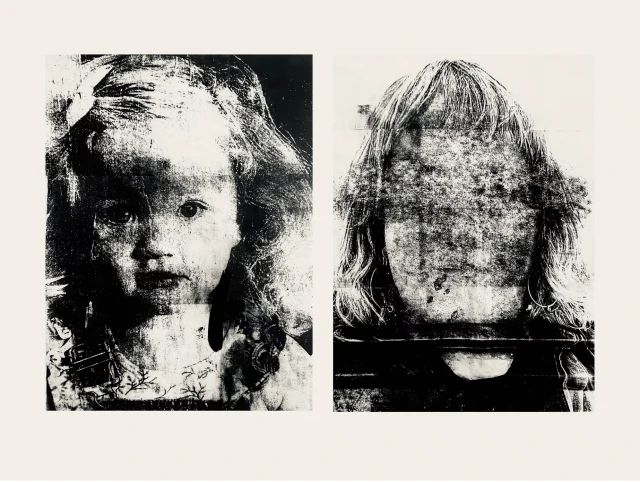
21 May — 24 May
18 Mar — 07 April
02 Mar — 10 Mar
04 Feb — 23 Feb
15 Jan — 20 Jan
11 Dec — 24 Dec
12 November — 26 November
23 October — 08 November
05 October — 12 October
27 September — 1 October
04 September — 13 September
20 June — 5 July
7 May - 1 June
7 May — 1 June
30 April — 3 May
28 January — 1 February
8 — 15 March
16 January — 28 December
6 — 21 December
25 Nov — 1 Dec
About

VIE is a place where art, fashion, architecture and design converge. Located in the heart of Paris, VIE is a gallery and studio workspace partnering with trailblazers, thinkers, artists, and creatives to curate experiences and foster these diverse networks to gather and multiply.

VIE is where people, ideas, and creativity collide. It’s a place for those who seek more from life—more connection, expression and meaning.
VIE Projects and Studio span 320 m², with the gallery space on Boulevard Beaumarchais covering 80 m², which can be expanded to 160 m² along rue des Tournelles, stretching across an entire Parisian city block. An additional 160 m² is dedicated to a workspace fostering experimentation across all creative disciplines. Together, these two spaces represent the dual facets of a singular vision devoted to the arts and innovation.

VIE is an initiative of Michelle Lu, founder of media platform Semaine, and architect Julien De Smedt.

Location

55 bd Beaumarchais, 75003 Paris 66 rue des Tournelles, 75003 Paris

Contact
Ne Pas Toucher
Ne Pas Toucher

NE PAS TOUCHER

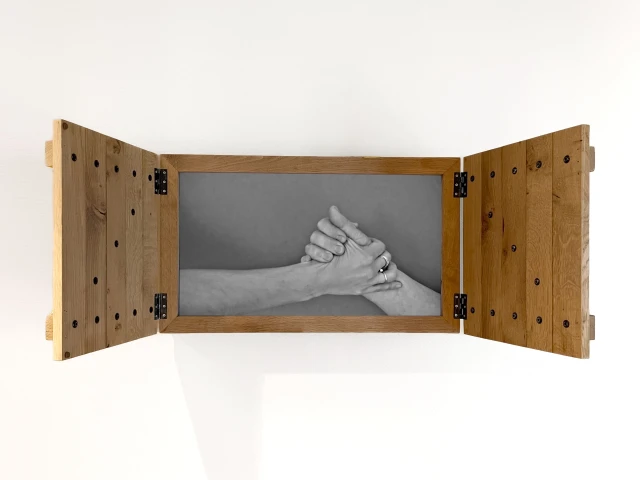
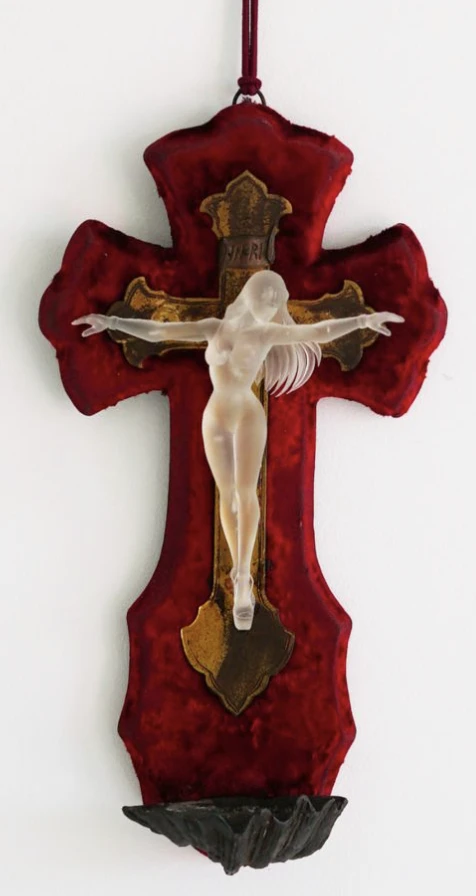
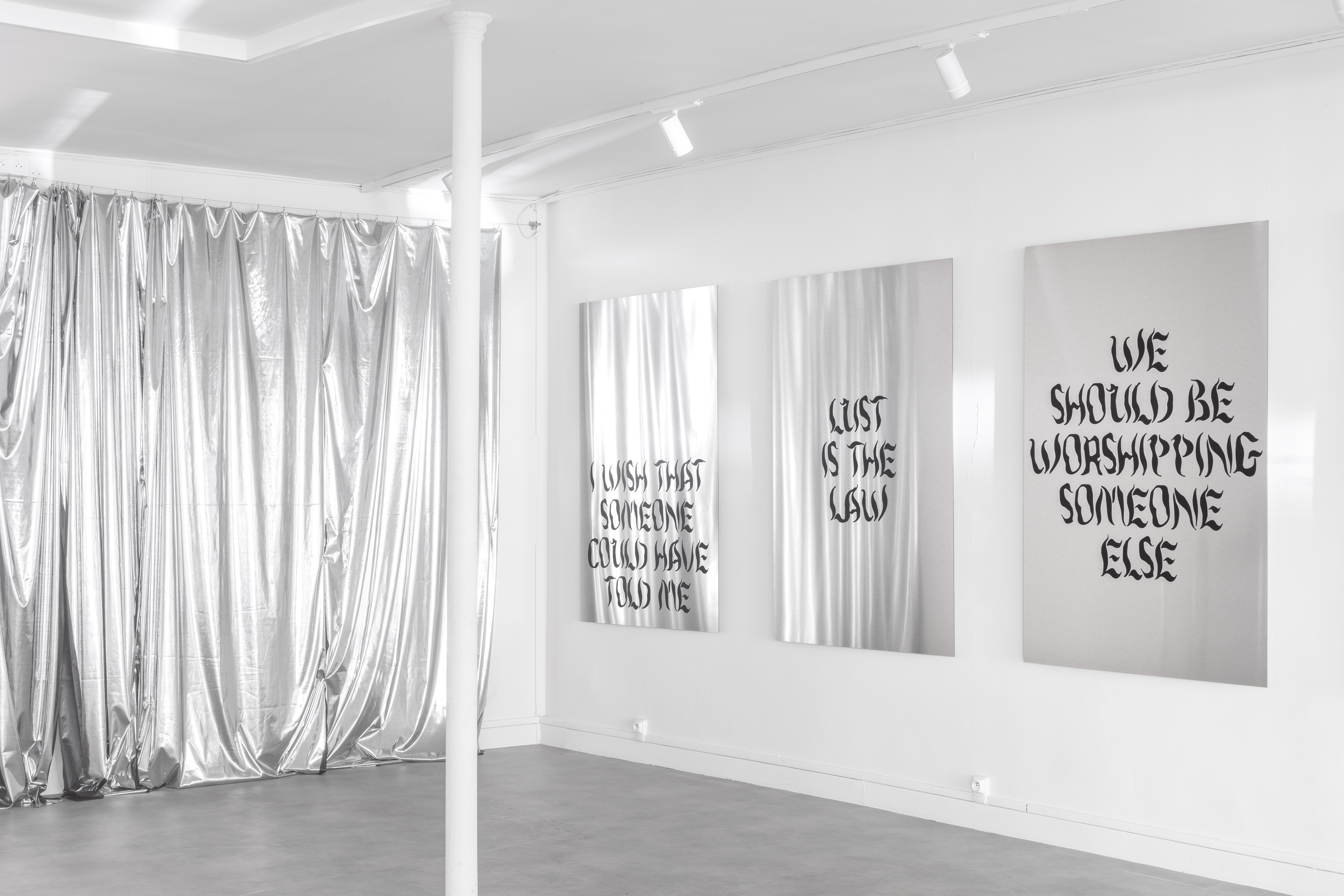
Do Not Touch stems from an observation. The attacks, censorship, and acts of vandalism targeting the works of women and non-binary, cis or trans artists are not isolated incidents but reactions. Reactions to bodies that elude us, to images that refuse to be made available, to narratives that shift power dynamics.

Rather than documenting this violence, the exhibition effects a reversal. It transforms the space into an active apparatus, a testing ground where some works respond, others resist, and where the male gaze ceases to reign supreme.

The title Do Not Touch initially functions as a familiar injunction, that of museums, which organizes the distancing of artworks and the discipline of bodies within the exhibition space. But it also refers to another, more diffuse form of prohibition, one that permeates the bodies themselves. Who can be looked at, approached, desired, and under what conditions?
From the moment you enter, a charter of looking and consent sets out the rules of the game. It is not fixed. Visitors are invited to engage with it, to add to it, to write their own rules within it.

The exhibition is organized around situations. Gestures are triggered, bodies are exposed or restrained, images are blocked, surfaces are protected. Some works take the form of traps for the gaze. They anticipate the gesture, absorb the attempted intrusion, or make it visible.

A motif runs discreetly through the exhibition: that of the trap. Not as a threat, but as a structure. Forms evoking mousetraps appear in the space, sometimes as elements of distancing, sometimes as mediating tools. They remind us that what is at stake here is not the capture of bodies, but the capture of reflexes.

The body is at the center. Desiring bodies, exposed, constrained, political. What can be shown, what must be hidden, what triggers violence or censorship. The artists gathered here explore these boundaries, between exposure and withdrawal, visibility and erasure.

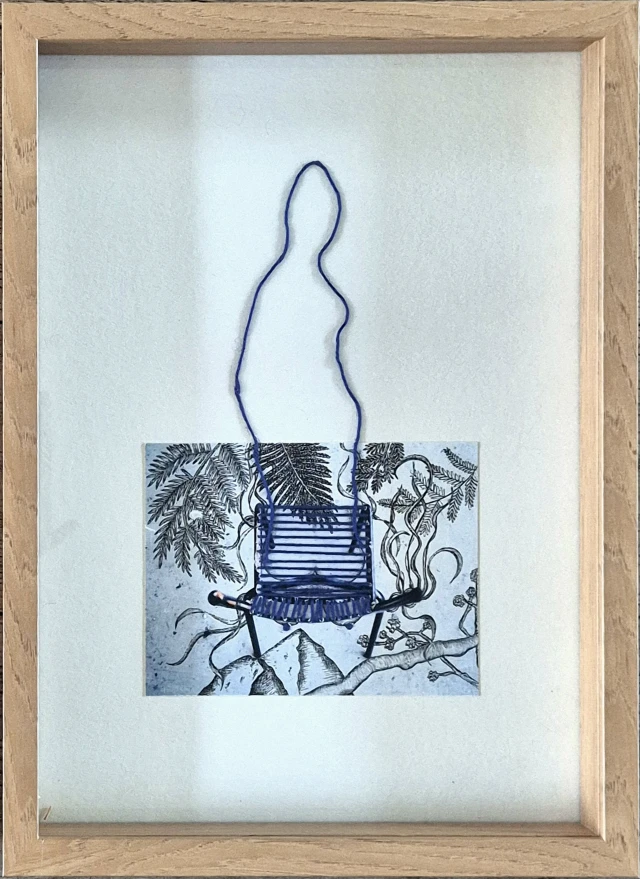
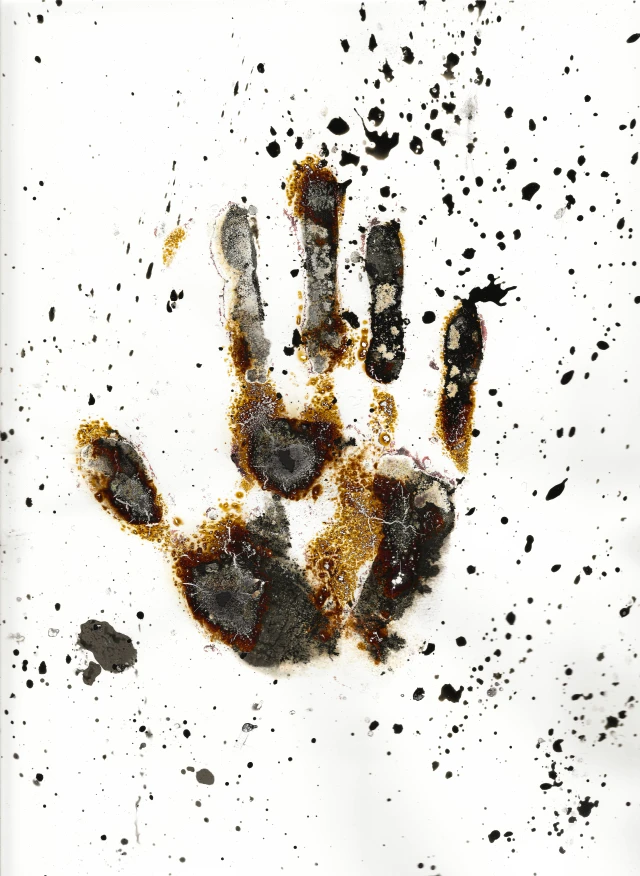
Some works explore the trace and transformation. Others directly confront the gaze with its own mechanisms, proposing installations in which the gesture of interaction turns against itself. Still others question the visibility of the body, its circulation, its protection or exposure, or give form to strategies of resistance against censorship and violence. "Not touching" does not designate culprits. It creates a situation. It allows action. It observes what happens when the gesture precedes the idea, when the intrusive gaze slips, when control fails, when the attempt at censorship itself becomes visible.

The exhibition chooses defusing rather than confrontation. Humor, irony, and displacement become critical tools. Here, the trap does not capture bodies.

It reveals gestures.

About the Artists

Camille Aumont Carnel

Camille Aumont Carnel is a French feminist author, speaker, and cultural entrepreneur whose work explores intimacy, consent, embodiment, and collective memory. Founder of the influential platform @jemenbatsleclito, she has become one of the defining voices of fourth-wave Francophone feminism, building a community of nearly one million followers through accessible and politically engaged storytelling. Her practice bridges literature, activism, art, and cultural mediation, with a particular commitment to amplifying marginalized voices and diasporic narratives.

Karen Daye-Hutchinson

Karen Daye-Hutchinson is a multidisciplinary artist and elected member of both the Royal Society of Painter-Printmakers in London and the Royal Ulster Academy in Northern Ireland. Working across etching, hybrid printmaking, sculpture, and moving image, her practice reflects a deep engagement with habitat, history, and literature. Her work has been exhibited internationally across Europe, North America, Asia, and Oceania.

Holly Elizaveta

Holly Elizaveta is an Australian multidisciplinary artist whose practice spans video, photography, installation, poetry, theatre, and online performance. Drawing from autobiographical material, she creates experimental and self-reflexive works that examine the emotional, social, and economic structures shaping contemporary life. She holds advanced degrees from Central Saint Martins and the Victorian College of the Arts, and is a member of the art collective Seven International.

Esmeralda Da Costa

Esmeralda Da Costa is a French-Portuguese artist based in Paris whose immersive installations combine video, photography, sound, and printmaking. Her work explores memory, transmission, migration, and the fragility of the living world, often examining the relationship between human presence and technological systems. Blending poetic sensitivity with political reflection, her practice creates immersive environments that question contemporary social transformation and collective memory.

Beka Magyarlaki

Beka Magyarlaki is a Hungarian multidisciplinary artist working across sculpture, sound, and moving image. Through immersive installations and hybrid forms, their practice explores trans identity, belonging, intimacy, and collective memory. Combining poetic narratives with psychological and political dimensions, Magyarlaki creates sensory environments that reflect on transformation, embodiment, and queer imaginaries.

Yu Lin Humm / Black Moon Studio

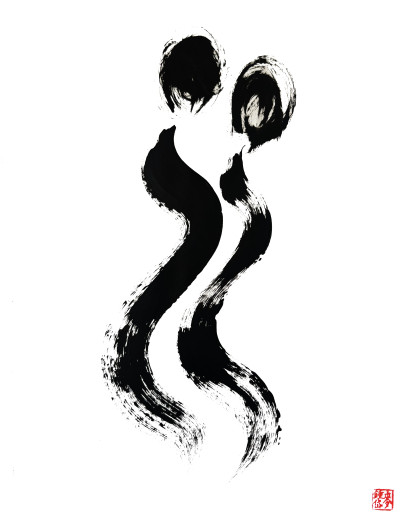
Yu Lin Humm is an award-winning multidisciplinary artist, director, and founder of Black Moon Studio. Drawing from a rich background in performing arts, visual storytelling, somatic practices, and Eastern movement traditions, her work integrates body, healing, ritual, and visual expression. Through performance, education, and interdisciplinary practice, she creates transformative experiences centered on embodiment, trauma release, and collective wellbeing.

Sophia Lang

Sophia Lang is a French multidisciplinary artist whose work critically examines the representation of fat bodies within contemporary culture. Combining installation, video, and drawing with humour, glamour, and camp aesthetics, she challenges dominant ideals of beauty, productivity, and desirability. Rooted in personal experience and feminist critique, her practice transforms softness, excess, and marginality into powerful spaces of resistance and joy.

Martina Margaux

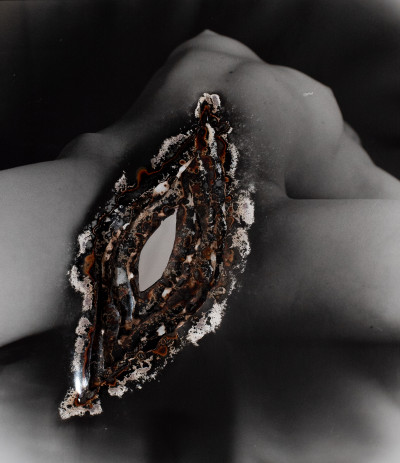
Martina Margaux is an Italian visual artist and creative director based in Paris, working across film, installation, and experimental photography. Influenced by ritual, alchemy, and psychoanalysis, her practice explores transformation through analogue processes, combustion, and material experimentation. Her work investigates symbolic healing and unconscious forces, creating poetic visual languages between destruction and renewal.

Olga Szynkarczuk

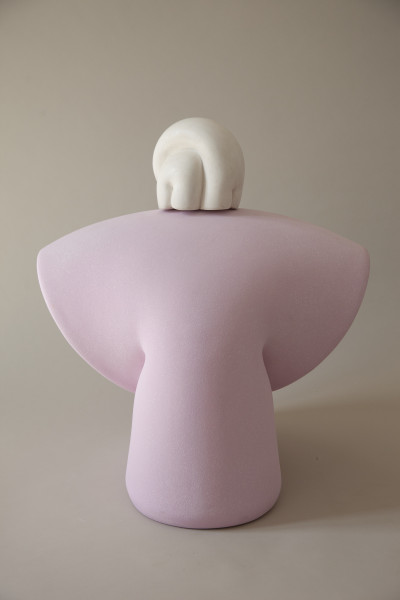
Olga Szynkarczuk is a Polish-born artist based in London whose multidisciplinary practice explores motherhood, migration, female embodiment, and emotional labour. Working with installation, sculpture, drawing, and moving image, she transforms domestic and discarded materials into poetic carriers of memory and resilience. Her work reflects on care, visibility, and the hidden structures that shape everyday life.

Daniella McNulty

Daniella McNulty is a Paris-based artist, illustrator, and creative director whose practice bridges fine art, luxury culture, and contemporary storytelling. Alongside a career in international luxury marketing and education, she develops exhibitions and collaborative cultural projects that connect artists, institutions, brands, and audiences. As founder of NE PAS TOUCHER, she brings together interdisciplinary voices around intimacy, embodiment, and contemporary artistic expression.

Mathilde Soares-Pereira

Mathilde Soares-Pereira is a French-Portuguese artist and filmmaker whose multidisciplinary practice spans film, photography, performance, and drawing. Blending humour, fiction, and sociological reflection, she explores the porous boundaries between public and private life, often focusing on nightlife, identity, and social power dynamics. Her work embraces pop and burlesque aesthetics to challenge stereotypes and create alternative narratives around intimacy and marginality.

Sandra Reinflet

Sandra Reinflet is a French author and photographer known for her socially engaged and long-term artistic projects. Through photography, installation, and writing, she explores themes of constraint, silence, resilience, and collective memory. Her acclaimed work has been exhibited in major public institutions and cultural events, combining documentary sensitivity with strong political and poetic dimensions.

Sofi Stern

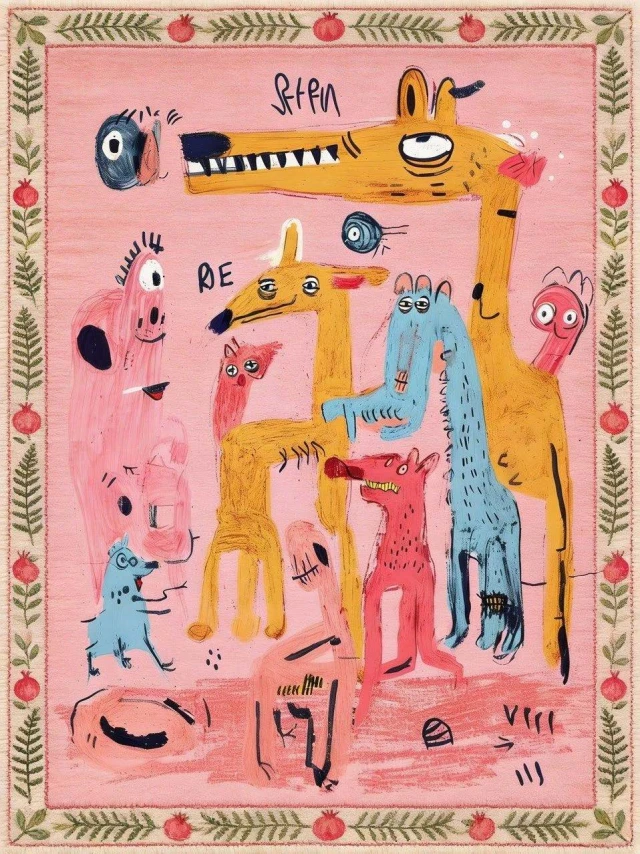
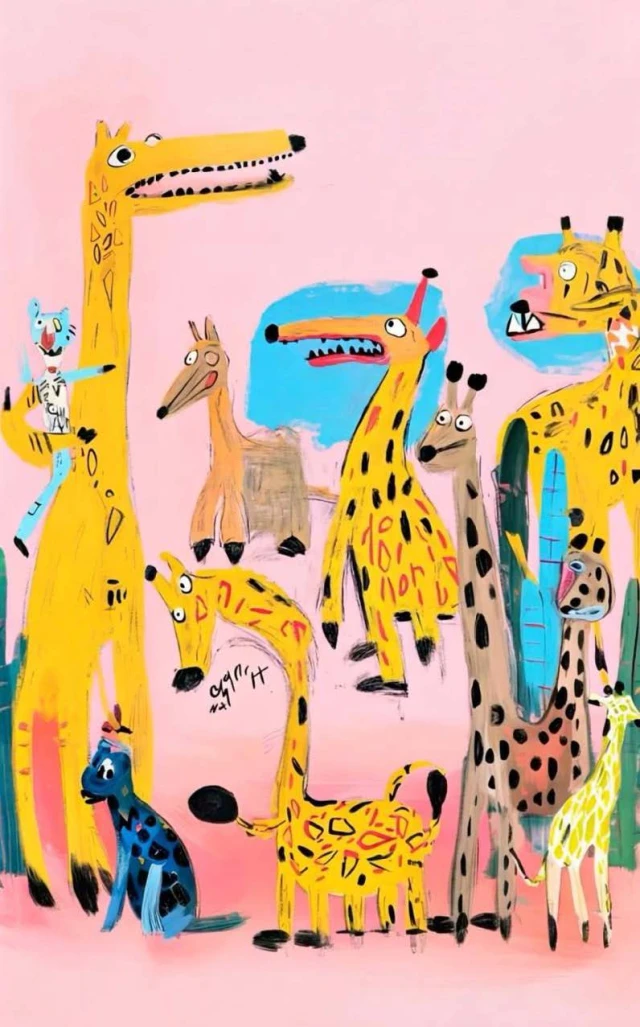
Sofi Stern is a contemporary artist whose colourful dystopian worlds are populated by surreal and fantastical creatures. Combining influences from Fauvism, Dadaism, and childlike drawing, her work explores the tension between individuality and societal expectations through irony, humour, and symbolic imagery. Her installations and paintings invite viewers to reflect on identity, absurdity, and the emotional contradictions of contemporary life.

Pandora Nox

Pandora Nox is a multidisciplinary artist, musician, dancer, and winner of Drag Race Germany Season 1, becoming the first cis woman to win the Drag Race franchise worldwide. Blending electronic music, fashion, performance, and experimental pop culture, her practice challenges conventions around gender, identity, and artistic expression. Expanding from television into an international music career, she creates bold and immersive performances rooted in freedom, transformation, and self-invention.

Sophie Gonthier

Sophie Gonthier is a French singer-songwriter, producer, DJ, and multidisciplinary performer whose work explores identity through music, performance, and visual experimentation. Performing internationally under projects such as Anything Maria and CATHERIN, she blends electronic music, house, techno, Afro rhythms, and layered vocal performance into immersive live experiences. Influenced by nightlife culture, cinema, and contemporary performance art, her practice navigates anonymity, transformation, and self-reinvention with both emotional depth and theatrical energy.

Partners: Bonnard, Lelo, Madre Mezcal, Café Solo